
Hyperemesis Gravidarum (HG) is a severe pregnancy related illness characterised by excessive nausea and/or vomiting. It is a relentless illness which leaves a woman unable to consume an adequate intake of food and liquids due to excessive pregnancy related nausea and/or vomiting. It is typically associated with dehydration, production of ketones, weight loss of greater than 5% (or more) pre-pregnancy weight, nutritional deficiencies, metabolic imbalances and difficulty with day to day living (source: HER Foundation).
Treating Hyperemesis is challenging and early intervention is essential. It is a serious condition and can have life threatening affects for mother and baby. Some examples of complications that can arise as a result of Hperemesis included debilitating fatigue, Ketosis, malnutrition, gastric complications and even life threatening complications such as Central Pontine Myolinolysis or Wernicke’s Encephalopathy (source: HER Foundation). It can also have a huge impact on mental health, with sufferers reporting depression, anxiety and even PTSD from the trauma of the illness.

Many women are not believed, or thought to be being dramatic or hysterical, so the condition is often left untreated when early intervention is essential. Many women also experience a lack of understanding or empathy from others around them which can make their mental health worse and leave them feeling isolated and lonely. Today, the 15th May, is Hyperemesis awareness day. As part of that I wanted to raise awareness by sharing information in the form of some things not to say to someone who has Hyperemesis, and some helpful things you can say and do.
A bit about my Hyperemesis
I am personally very fortunate that I was believed by my GP and midwives and received appropriate intervention and treatment for my HG. However, it has not been an easy journey, and even as I write this at 14 weeks pregnant I am far from in the clear. I still have horrendous nausea, fatigue and bouts of vomiting. These symptoms are much improved by the combination of medication I am taking (Prochlorperazine and Cyclizine) but I have not enjoyed pregnancy so far and that is all down to my Hyperemesis.
My symptoms began at five weeks pregnant, and at first I thought they were just “normal” and “morning sickness” because it is my first pregnancy and I had no frame of reference. However my symptoms were so severe I couldn’t eat at all and I couldn’t even sip water without retching. I was vomiting up bile and my stomach was in agony from the constant retching. It left me exhausted because my nausea was 24/7, preventing proper sleep.

I became worried and contacted my GP who assessed me over the phone because I couldn’t even get out of bed. He prescribed a medication that unfortunately did nothing. My symptoms continued and I ended up in hospital because I became so dehydrated, had entered Ketosis and had lost 10lbs in less than two weeks. I was treated with fluids and given more medication. Unfortunately, that medication did not work either. I landed back in hospital so severely dehydrated my blood looked like “balsamic vinegar” it was so thick and dark. By this point I had entered the worst level of Ketosis and hadn’t managed to eat for over 24 hours. This time I was kept in hospital and had to be on a combination of fluids and electrolytes, everything was out of balance and I was terrified I was hurting my baby.
I had no control over what was happening but I felt guilty, lost, alone and scared. I had an amazing support network, but it was so hard to explain how I was feeling. Unless you’ve had Hyperemesis it’s very hard to understand the impact it has on your physical and mental state.
Thankfully, I was put on a combination of medications, and given them by injection initially, which finally got my symptoms under some control. I still live with the symptoms daily, but on a much lesser level. My symptoms become worse very quickly unless I religiously take my medication every 2-3 hours. I have days where I spend most of my time in bed but I also have some good days, which I am so grateful for. Many women are not this fortunate, and it breaks my heart to see how little awareness there is surrounding a condition which affects an average of 3% of pregnant women.
Before I continue with this article, I’d like to say that Baby T is healthy and thankfully seeing “it” on scans helped me to feel a lot more bonded. I had struggled with this previously, because I was just so unwell. Thankfully my condition is being closely monitored and I am in a much better place mentally than I was a few weeks ago. I’d also like to add I’ve avoided using certain images in this article, because I cannot look at photos of real people vomiting or a lot of foods right now.
“It’s just morning sickness”
Hyperemesis is NOT morning sickness. It is not a “normal” part of pregnancy. It is a severe and debilitating illness. Telling someone with Hyperemesis otherwise is ignorant and completely invalidates their very real and difficult experience. Vomiting brings no relief in Hyperemesis, it completely takes over your life and leaves you unable to do daily tasks. For many women this means they struggle as care givers for other children, they have to take extended periods off work and are in and out of hospital/medical appointments. Their day to day activities no longer exist and they are left simply trying to survive. We need to end the myth that this level of sickness and/or nausea is normal, if you are experiencing symptoms of hyperemesis please contact a medical professional. You are not alone, experiencing these symptoms is not “just morning sickness” and it requires professional intervention.

“People would kill to be you”
This is the worst one I’ve heard to date. Telling someone with Hyperemesis that they should be grateful they can even get pregnant, or what some women would kill to be them is not only deeply ignorant, it is also extremely hurtful. Yes, I am so grateful I can get pregnant, and yes, I feel so blessed to be carrying this child. That does not mean I have to be grateful or thankful that the last ten weeks of my life have been living hell. Even if you’ve never experienced HG, we can all show compassion and empathy. Putting a woman down or making her feel guilty for not enjoying her pregnancy is never acceptable. If you can’t say anything nice, don’t say anything at all.
“Have you tried ginger?”
In the last ten weeks I have been asked this 27 million times. Okay so not quite that many, but it sure feels like it. I know people are trying to be helpful, but Hyperemesis cannot be treated or cured by old wives tales or morning sickness remedies. Ginger, crackers, eating small meals, herbal supplements, mints, aromatherapy…you name it, we have tried it. Hyperemesis requires medical intervention, and it isn’t helpful when people repeatedly suggest we drink ginger tea or eat ginger biscuit as if we hadn’t already thought of it. Any sickness or nausea remedy you can think of, we have tried it.

“You’ll feel much better by second trimester”
The first trimester of pregnancy is rough for everyone, there is no doubting that. The trouble with Hypermesis is that unlike morning sickness, it does not stop at 12 weeks. I can assure you after spending a day in bed yesterday retching constantly, this thing isn’t showing any signs of slowing down yet. For some women (please God let me be one of them) Hyperemesis does begin to settle at around 16-20 weeks. For other women they experience it for the entire 40 weeks of pregnancy, it just doesn’t end until after birth.
I know people are trying to be comforting and helpful when they say it, but when your medical professionals are trying to set your expectations and be realistic with you and everyone else thinks you should be eternally optimistic it isn’t helpful.
The other thing to remember is that Hyperemesis causes food aversions, and even after the main symptoms fade these can persist. For me personally it took about a week after being on the medications which worked to lessen my symptoms before I could manage small meals. The very idea of food still made me retch. This has persisted for many foods. Certain smells, and even the sight of some foods is enough to send me racing to the bathroom even if my nausea is controlled at that moment. My appetite is significantly smaller and I have to eat whatever I fancy at a certain given moment, I no longer have “meal times”.

“Aren’t those medications harmful to the baby?”
This one crosses over for me, I am taking medication for Hyperemesis, but I am also on medication for my autoimmune disease (for more about my diagnosis click here). Yes, I worry about the impact that has on my pregnancy, but I trust the mountain of medical professionals in charge of my care know what they’re doing.
It is not helpful to ask someone battling Hyperemesis if the medication can cause harm to their unborn child. Nor is it helpful to gloat about the fact you didn’t touch a single medication for your entire pregnancy. Please know that these medications are needed, vital and in some cases keeping that woman alive. Women battling with Hyperemesis have enough to worry about without anyone else questioning the need for medication to be taken in pregnancy.

You need to eat for the baby?
Telling someone with Hyperemesis this is so unhelpful it’s unreal. We know we need to eat. We need to eat to live, but when you physically cannot force food down without retching it back up or vomiting then it becomes much more complicated.
I asked so many questions about this, and my other fears for my baby, when I was in hospital and was reassured by countless medical professionals that baby was taking all it needed from my body and would be fine. The human body is amazing, even when I hadn’t eaten for over 24 hours my body went into ketosis and the baby could take what it needed from my body burning my fat and muscle. Not a pleasant experience for me, but suffering with hyperemesis does not automatically mean harm will come to your baby.
Please don’t tell someone with Hyperemesis to “just eat” or tell them they’ll cause harm to their unborn child if they don’t. They probably have all those fears, and more, and don’t need you adding to their stress.

Should you be eating that?
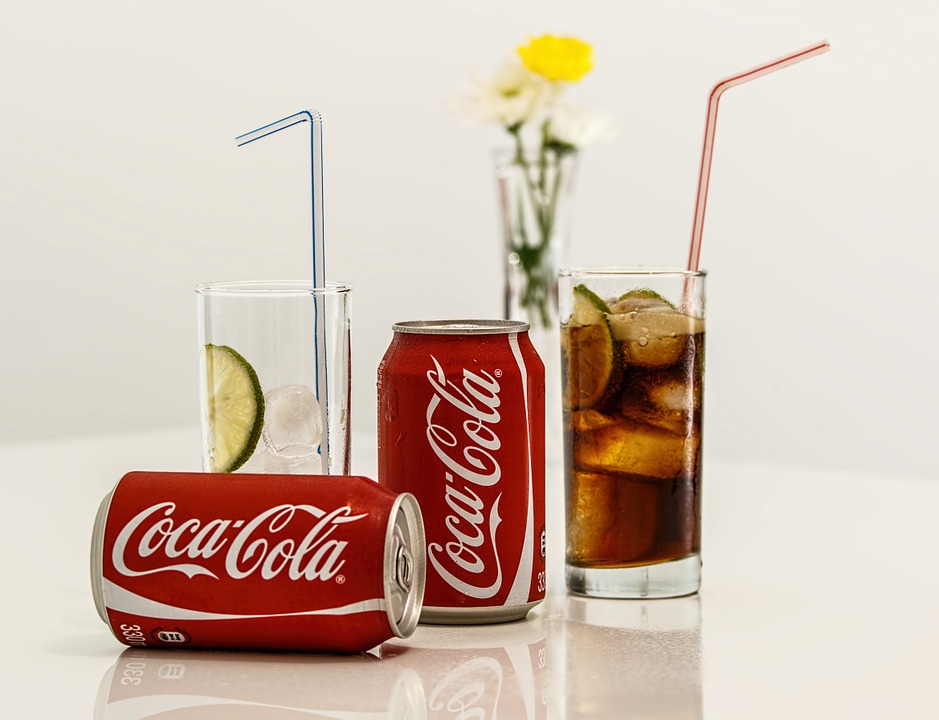
I felt so judged going to McDonald’s repeatedly when my bump started to show but one of the few things I could stomach that particular week was a grilled chicken sweet chilli wrap. I lived off diet coke mostly in the early days, and I’m currently living off tomato soup.
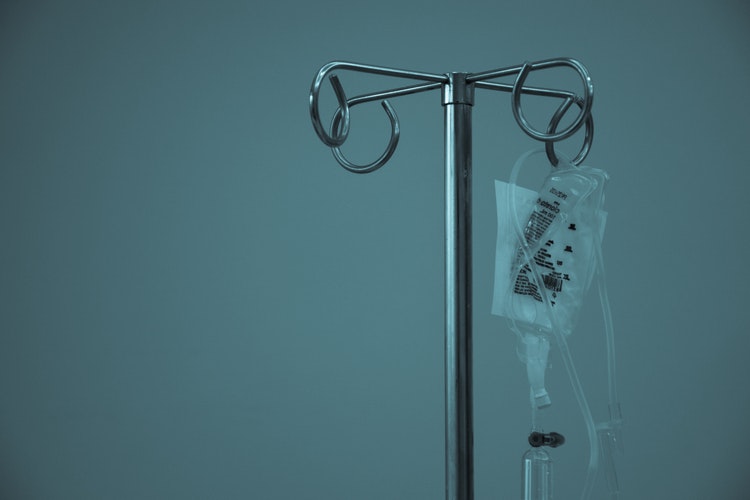
People with Hyperemesis don’t need judgement, and we don’t need to be told to “eat healthy for the baby”. Believe me when I say that eating/drinking something is far better than eating/drinking nothing at all. Numerous medical professionals have reiterated this to me at every stage of my pregnancy so far and assured me that my baby will not be harmed because I drank too much fizzy pop. A hydrated mum drinking fanta or diet coke sure beats a mum hooked up to an IV drip because she can’t stomach water.

“You’ll forget about it once you hold that baby”
Now I can’t say for sure I won’t forget this, because I haven’t had my baby yet but I’m 99% sure I will not forget how horrific these last few months have been. There was more than one moment where I genuinely felt like I was dying, or wished I was dead because I felt so unbelievably unwell.
Hyperemesis has a huge impact on mental health, and even with an amazing husband, and support network around me, I have at points felt utterly hopeless and completely miserable. For many women Hyperemesis is their reason for not having more than one child, because they cannot put their bodies (or minds) through the trauma again. It is extremely traumatic. Being pregnant for the first time is scary and having hyperemesis on top of that tipped those first-time fears over the edge. I paid for two private scans before my NHS scan because I was so convinced my baby couldn’t possibly have survived me feeling that horrific and being so dehydrated. It filled me with terror, and I mean terror, imagining that they might not be growing anymore. I don’t think I’ll forget that, even when they’re in my arms.
I felt I couldn’t be honest with people about those fears because they weren’t necessarily rational, or they’d think I was just being dramatic. Hyperemesis can, and does, leave women with Post Traumatic Stress Disorder (PTSD). It is very serious, and there really isn’t enough awareness of the condition itself, or the impact it has on the women who experience it.

And 3 things to say…
“What can I do to help?”
The best thing you can do for someone with Hyperemesis is ask them how best you can help. Offer to look after their other child/children or do the school run. Offer to make meals for their family, because if they can’t eat food I can assure you they aren’t able to stomach cooking it. Offer to get a shop in. At one point I couldn’t even go into my local shop because the mere sight of food made me retch. Offer to do some washing or cleaning. Any day to day task falls to the side when you have Hyperemesis, you really are just trying to survive each day, and the idea of doing house work or the washing is laughable when you can barely get out of bed.
“Have you found any safe foods?”
Safe foods are basically anything you can stomach. Asking if someone has any safe foods/drinks and doing so in a non-judgemental manner can be helpful. If they mention any, why not offer to stock up their supplies?
“I believe you”
The most important thing you can do if someone tells you they have Hyperemesis is believe them. Listen to them, offer them compassion and an empathetic ear. Don’t judge them, just love them. We need validation, support and reassurance that we’re doing a great job!
You can also help by sharing this article, or any other articles about Hyperemesis throughout May (Hyperemesis Gravidarum Awareness Month).